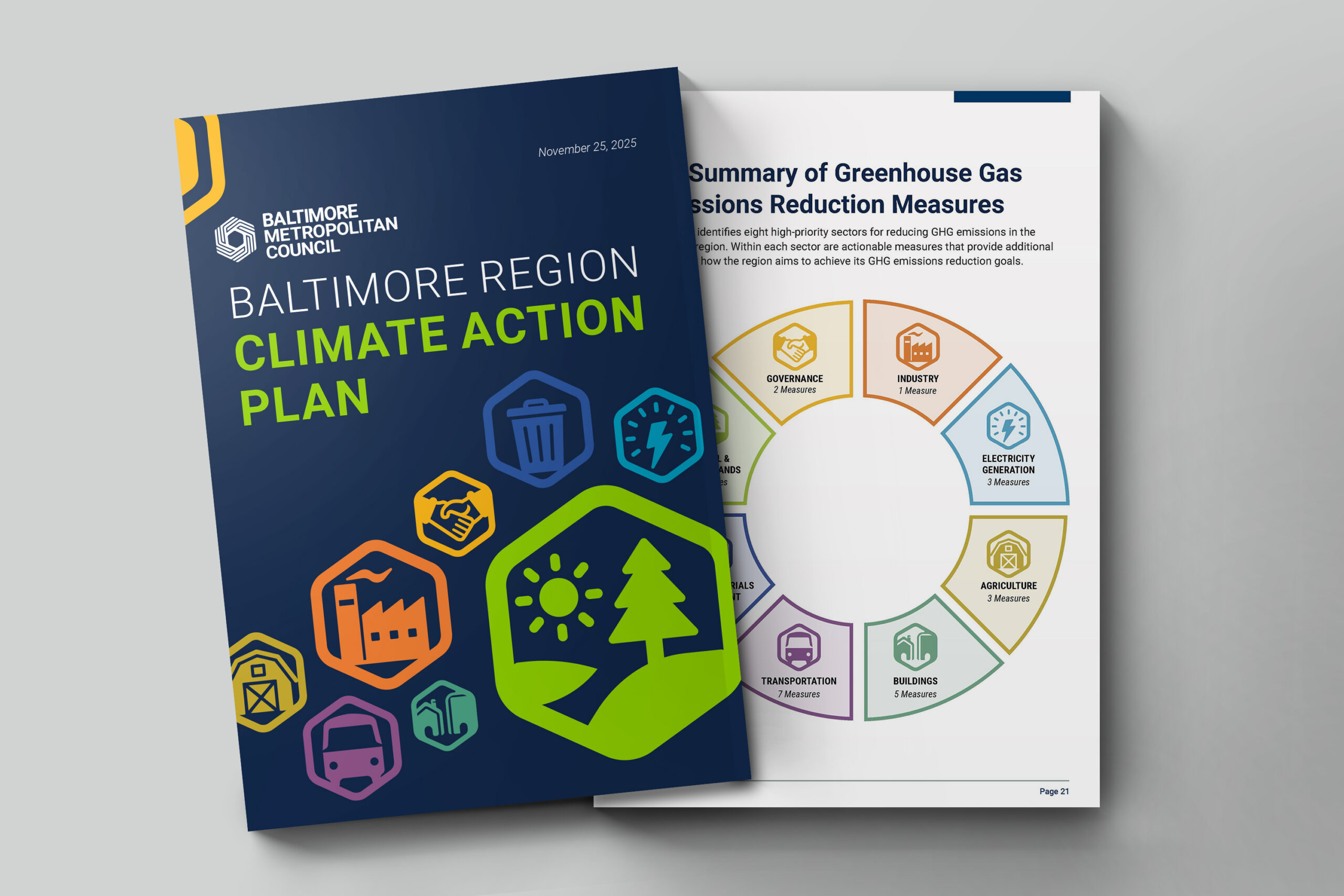
Comprehensive Climate Action Plan for the Baltimore Region
McCormick Taylor worked with the Baltimore Metropolitan Council to reach out to local communities, raise awareness, and prepare for a net-zero emissions future.
The Challenge
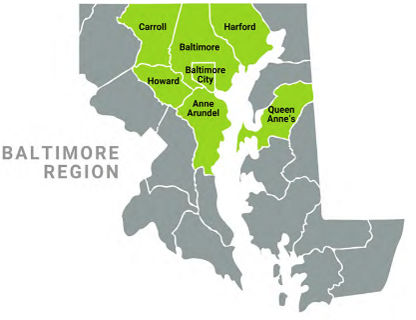
The effects of climate change transcend boundaries, creating challenges for each of the seven jurisdictions in the Baltimore region (Anne Arundel County, Baltimore City, Baltimore County, Carroll County, Harford County, Howard County, and Queen Anne’s County). Just as these communities are connected through roads, bridges, and transit, they are also connected through the impacts of air pollution, greenhouse gas emissions, extreme temperatures, flooding, sea level rise, and more. Further, historically disinvested communities in the region are most harmed by these environmental impacts yet have traditionally been excluded from efforts to reduce them.

How We Helped
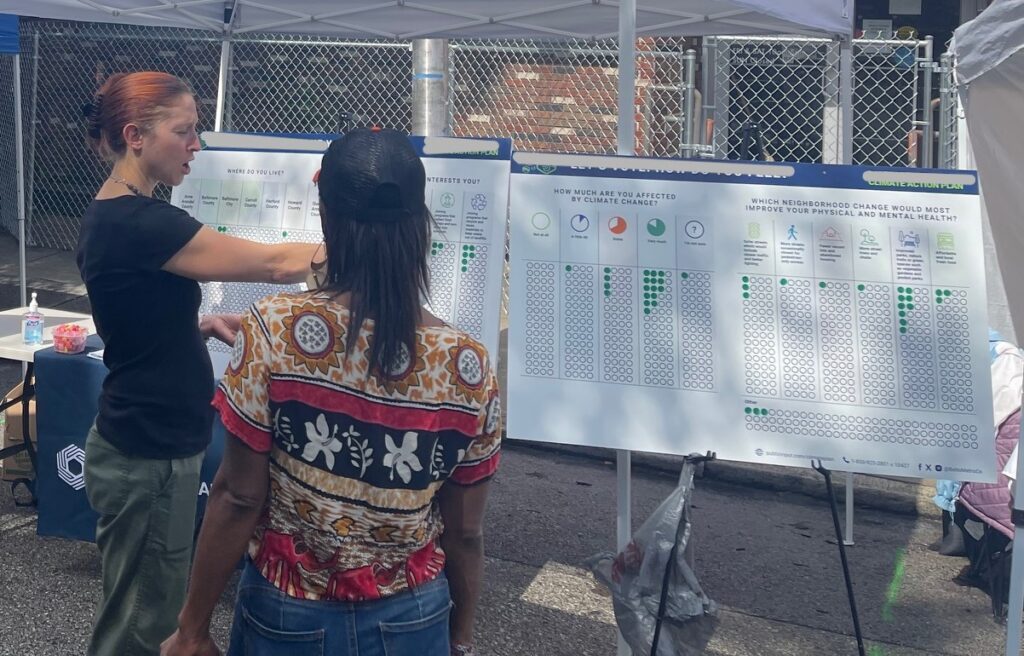
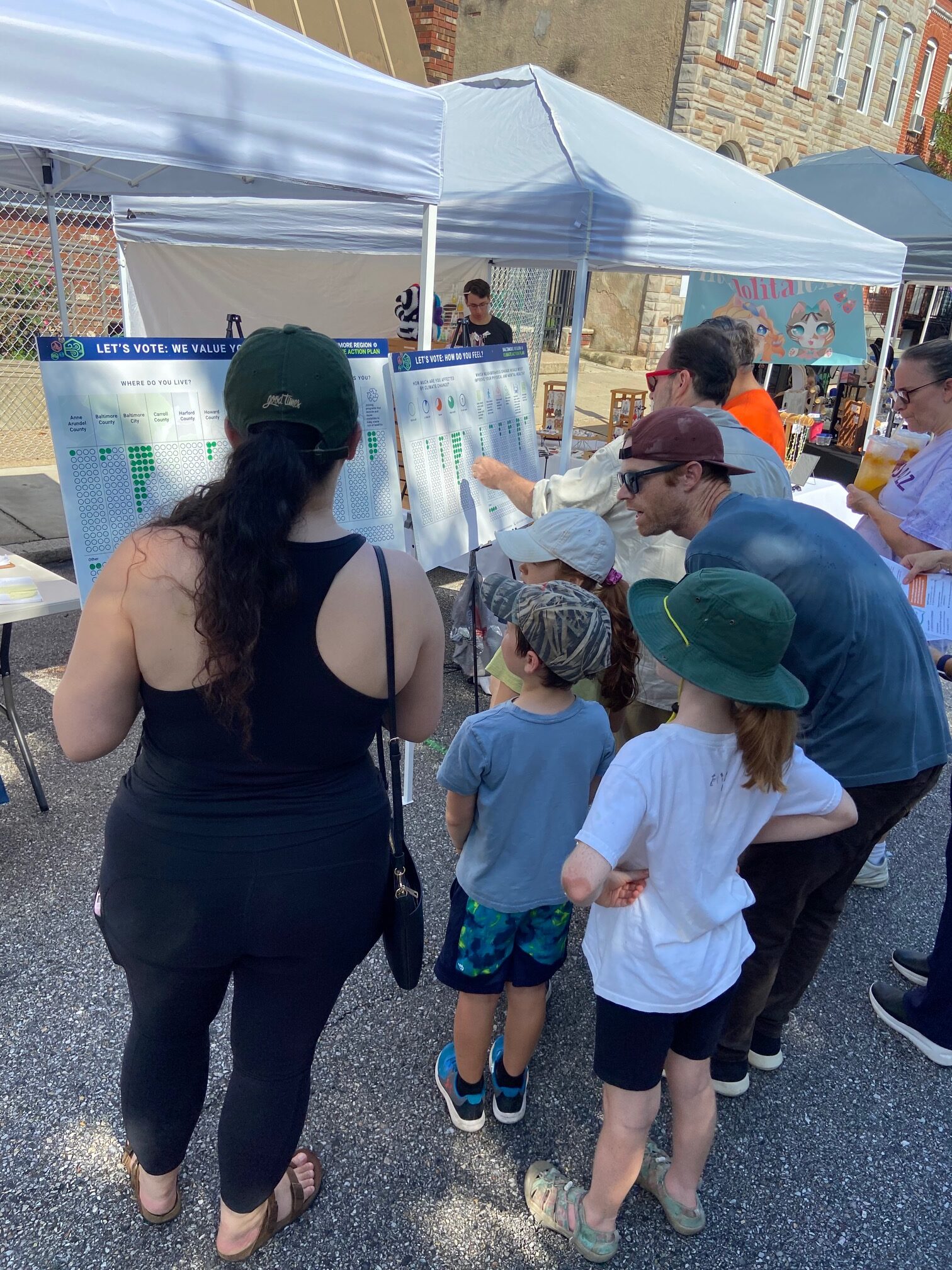
McCormick Taylor was selected by the Baltimore Metropolitan Council (BMC) to develop a Comprehensive Climate Action Plan (CCAP) to reduce greenhouse gas emissions in the Baltimore region, with a goal of achieving net-zero emissions by 2045. Building on the Priority Climate Action Plan previously developed by BMC and the seven jurisdictions, the McCormick Taylor team prioritized engaging historically disinvested communities by gathering feedback at popup events at festivals and fairs where these residents were most likely to be present. Community members across the region were invited to provide feedback through a virtual survey and to sign up for project updates via newsletter announcements and social media. Flyers, social media posts, and the survey were developed in multiple languages using Plain Language guidelines. McCormick Taylor also created an easy-to-understand video to help community members learn how greenhouse gases affect the region and how they could participate in the project. All project materials and information were made available on the project website.
In order to gather feedback from and identify the priorities of the seven jurisdictions, the project team engaged the jurisdictions and the Maryland Department of the Environment through multi-municipal collaboration opportunities, focused interviews, and surveys. Mcormick Taylor also reviewed existing local and State plans, policies, and ordinances; calculated order-of-magnitude costs for implementing specific actions; and researched data-informed best practices for reducing greenhouse gas emissions.
Results
The McCormick Taylor team synthesized the stakeholder and public feedback into 24 measures to be implemented by the jurisdictions to achieve the region’s emission reduction goals. These measures were the basis for subsequent greenhouse gas emission reduction projections and a workforce analysis, all of which were included in the plan. The resulting documents, designed by McCormick Taylor, were visually compelling and made complex information easier to understand through colorful graphics, charts, and tables.