HT2 Connector Project
McCormick Taylor led the design and coordination of 2.3 miles of roadway improvements through Franconia and Hatfield Townships.
The Challenge
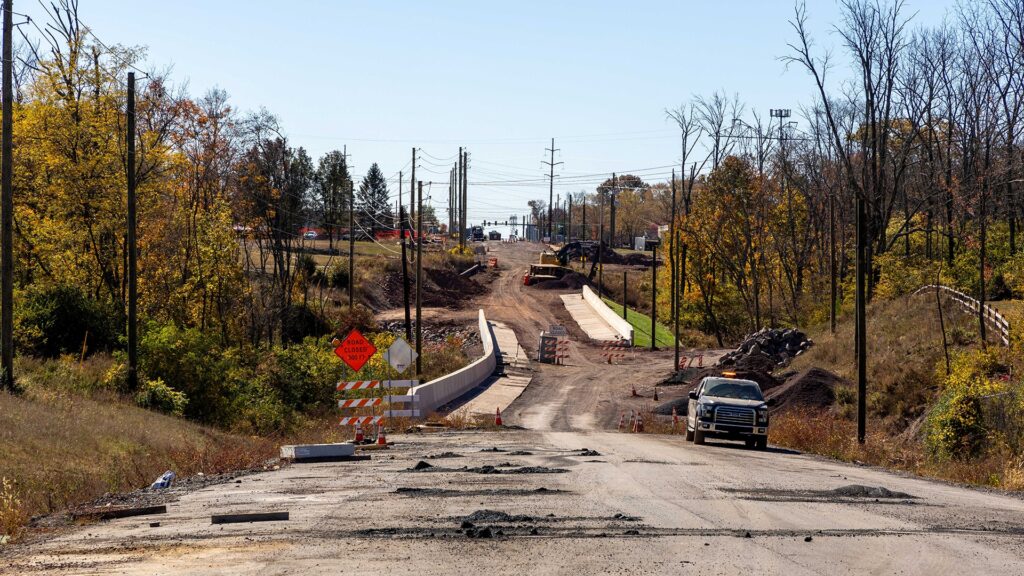
This second phase of the three-phase “PA 309 Connector Project” was developed to enhance safety, traffic flow, and multimodal connectivity while meeting strict environmental and regulatory standards. Phase II presented significant technical, environmental, and logistical challenges. The project spanned multiple jurisdictions, requiring close coordination across Franconia and Hatfield Townships and adherence to a wide range of local and state regulations. Major grade changes of up to eight feet demanded precise geometric and structural design to ensure safe and efficient traffic operations.
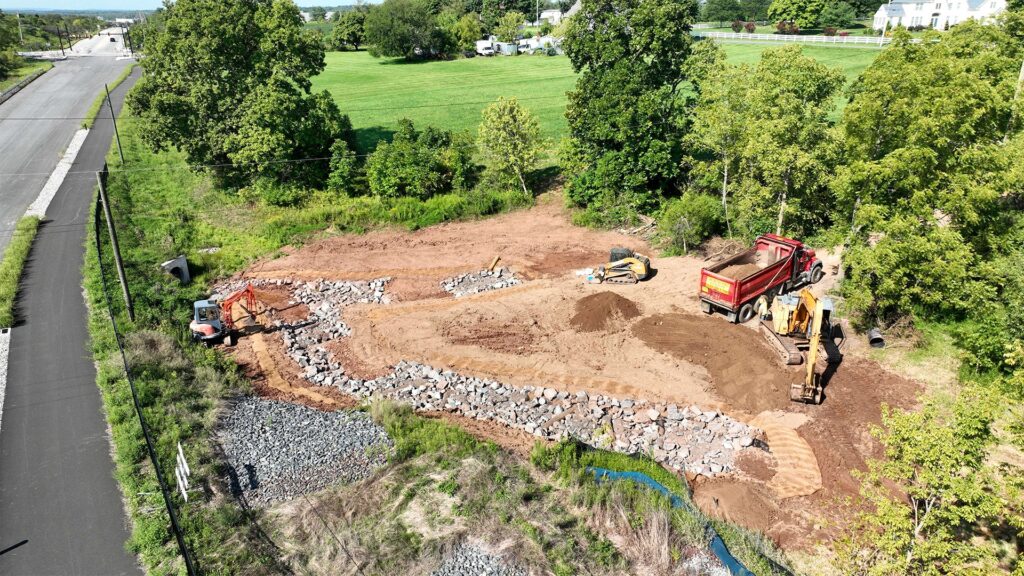
Environmental sensitivity was a defining aspect of the project, as the alignment passed near wetlands, streams, and a capped landfill. These conditions required specialized stormwater management measures and careful handling of potentially hazardous materials. In addition, maintaining pedestrian access during construction was essential to uphold safety and community connectivity.
Another layer of complexity came from the regulatory coordination necessary to meet the requirements of multiple oversight agencies, including PennDOT, the Pennsylvania Department of Environmental Protection (PADEP), the U.S. Army Corps of Engineers, and the Montgomery County Conservation District. Managing communication and permitting across these entities required proactive collaboration and detailed documentation at every stage.
How We Helped
McCormick Taylor served as the prime design consultant, leading a multidisciplinary team responsible for roadway geometry, traffic studies, structure design, environmental permitting, and stakeholder engagement. The firm developed a comprehensive roadway alignment and intersection improvement plan designed to enhance safety and optimize traffic flow. Updated traffic control plans, lighting layouts, and signage were incorporated to create a modern and efficient transportation corridor.

Additional improvements include:
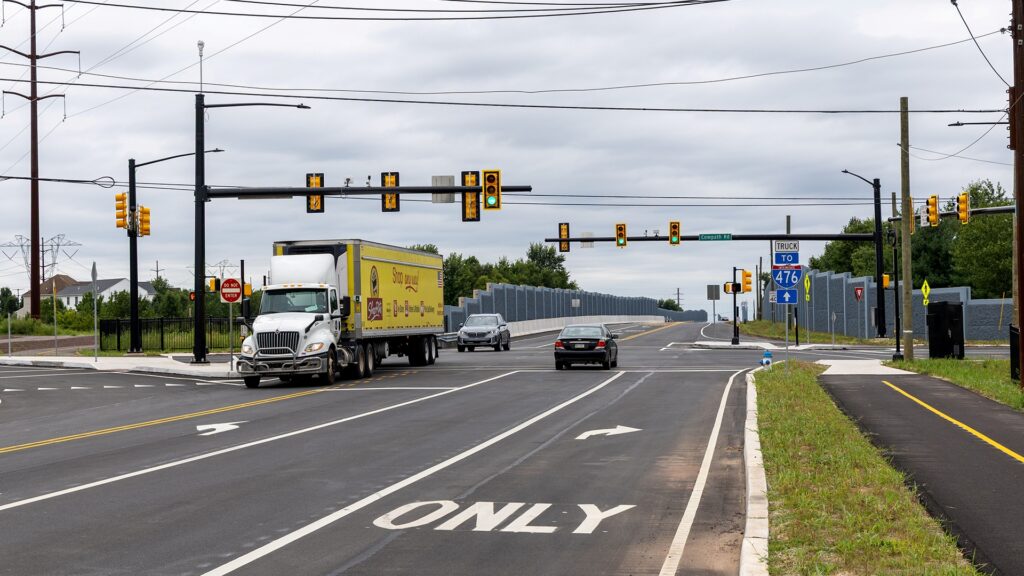
- A new roadway (Wambold Road/Township Line Road) from Allentown Road to the Hatfield/Souderton Pike Intersection.
- Reconstruction of Township Line Road from Cowpath Road to Hatfield Souderton Pike.
- Replacement of two culverts.
- Construction of two retaining walls.
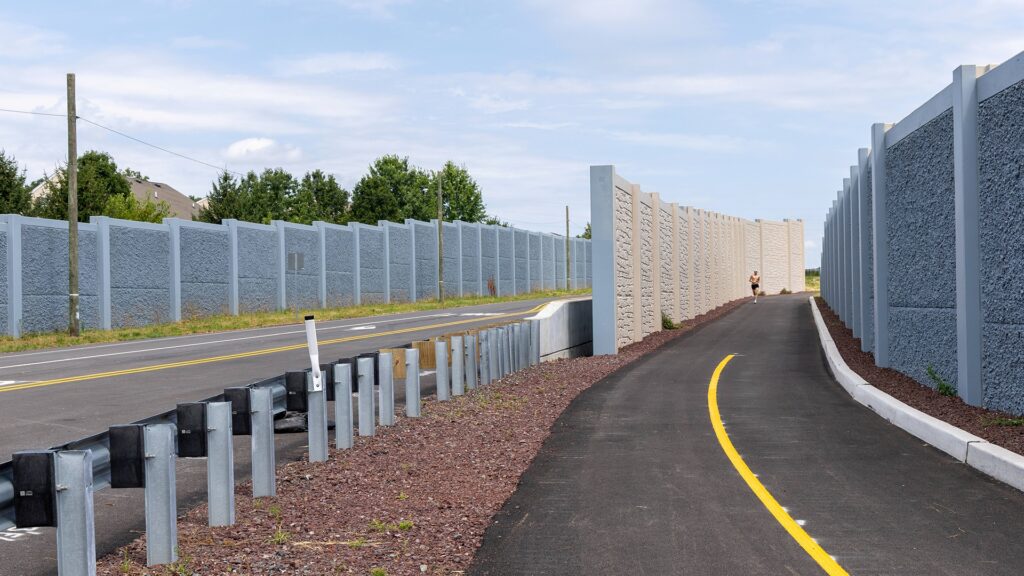
- Six noise walls on both sides of Wambold Road between Elroy Road and Cowpath Road.
- Four new traffic signals and replacement of two others.
A major highlight of McCormick Taylor’s contribution was the development of innovative stormwater management systems. The design incorporated Best Management Practices (BMPs) such as bioretention basins utilizing PADEP’s Managed Release Concept, infiltration basins, regenerative step pools, and conveyance channels. These features were modeled for flow rate, volume, and water quality to meet the stringent standards of multiple regulatory agencies. The stormwater approach exemplified forward-thinking environmental design that harmonized with the surrounding natural landscape.
Environmental stewardship guided every aspect of the project. McCormick Taylor managed environmental permitting, designed stream restoration components, and conducted archaeological, cultural, and noise studies to ensure compliance with all environmental regulations. The firm also facilitated quarterly meetings with PennDOT, local municipalities, and partner consultants to maintain open communication and ensure coordinated progress throughout the design process.
Results
The Sumneytown Pike/PA 309 Connector Phase II project successfully delivered a safe, efficient, and environmentally responsible transportation corridor that strengthens regional mobility and enhances community quality of life. The new roadway improves connectivity between SR 63, I-476, and SR 309, diverting industrial and through-traffic away from local roads to reduce congestion and improve neighborhood safety.
The inclusion of a 1.5-mile shared-use path encourages walking and biking, linking to the Liberty Bell Trail and promoting sustainable transportation options. The advanced stormwater management and stream restoration systems not only met but exceeded regulatory requirements, achieving both an Individual Joint Permit and an NPDES Permit through extensive collaboration with state and federal agencies. These measures set a new benchmark for sustainable infrastructure design and environmental compliance.
Beyond its technical success, the project provides lasting community and economic benefits. Improved traffic operations, reduced noise impacts, and new multimodal facilities have enhanced safety and accessibility for local residents.