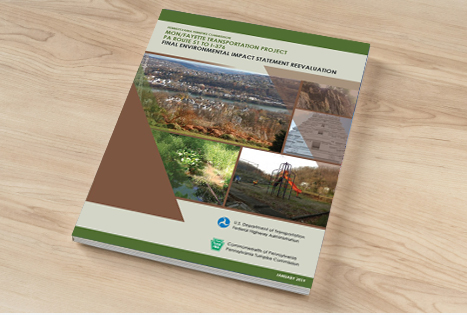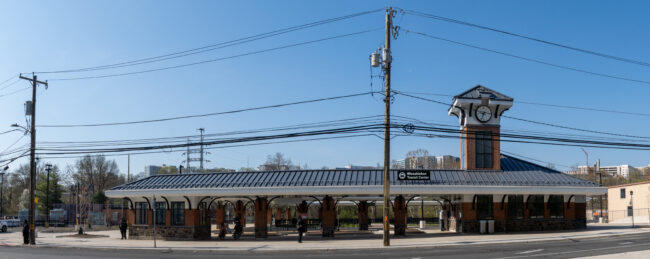
Mon/Fayette Expressway, PA Route 51 to I-376 FEIS Reevaluation
Working with the Pennsylvania Turnpike Commission, McCormick Taylor successfully navigated the NEPA Reevaluation process to obtain approval to advance the complex Mon/Fayette Expressway, PA Route 51 to I-376 Project.
The Challenge
The PA Route 51 to I-376 Project is the last and furthest north of four independent but connected projects encompassing the Mon/Fayette Expressway (MFE), stretching between I-68 near Morgantown, WV to I-376 in Monroeville, PA.
Originally started in 1993, McCormick Taylor provided National Environmental Policy Act (NEPA) management oversight, coordination, and review services during the Preliminary Engineering/NEPA phase of the project. The project proposed a new 23-mile, four-lane, limited-access, tolled expressway from PA Route 51 in Jefferson Hills to I-376 that included a nine-mile leg of the alignment into the City of Pittsburgh. The Federal Highway Administration (FHWA) had oversight of the project due to the required Interchange Point of Access approval for tying into I-376. Build alternatives presented the potential for significant impacts to environmental resources, businesses, and residential properties, requiring the preparation of an Environmental Impact Statement (EIS).
The Record of Decision (ROD) was issued by FHWA in December 2004. Design continued until 2009 when the PA Turnpike put the project on hold due to a funding shortfall. The Mon/Fayette Expressway is one of the PA Turnpike’s independently funded project; no toll money is used towards the project. Following the passage of Act 89, funding became available and the project restarted in 2015, and McCormick Taylor was selected to provide Reevaluation and Final Design Environmental Services. To advance the project, a major reevaluation of the Final EIS (FEIS) was needed due to the passage of time from the ROD to determine if there were any new significant impacts by the project and confirm the former NEPA decision. The PA Turnpike removed the nine-mile leg of the expressway into the City from the project.


How We Helped
McCormick Taylor led the FEIS Reevaluation to examine whether new significant impacts had occurred on the project due to the passage of time. This extensive undertaking included examining changes of conditions within the project area, project design modification, and updates to environmental regulatory requirements. An alternatives analysis that compared the 2004 Selected Alternative with a “Modified” Selected Alternative (the ROD alternative minus a nine-mile leg of the project eliminated due to significant costs and impacts) was central to the process. The Reevaluation required the following updates to field studies and analysis, and continuous coordination with the PA Turnpike, Pennsylvania Department of Transportation (PennDOT), and FHWA.
- Validation analysis of Purpose and Need with updated traffic data and project area field views
- Public involvement
- Socioeconomic analysis (Land Use, Community Facilities and Services, Community Cohesion, Displacements, Environmental Justice (EJ), and Local and Regional Economy)
- Cultural resources (Aboveground Historic and Archaeological Resources)
- Section 4(f) updates and new de minimis findings
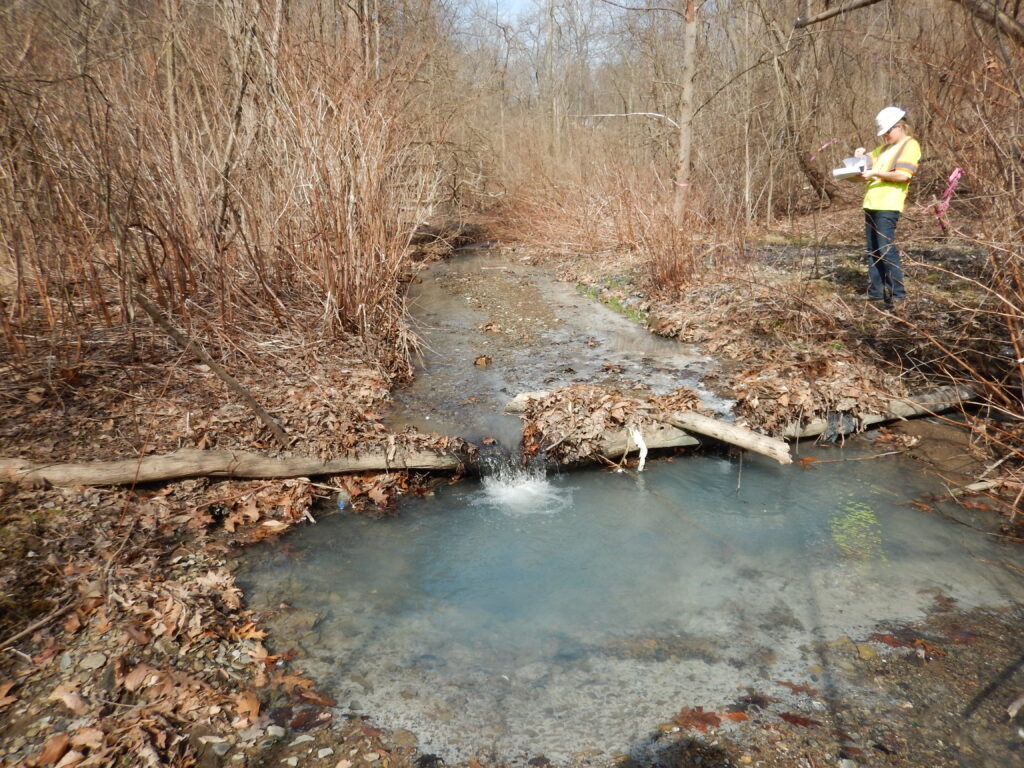
- Wetland and stream re-delineations
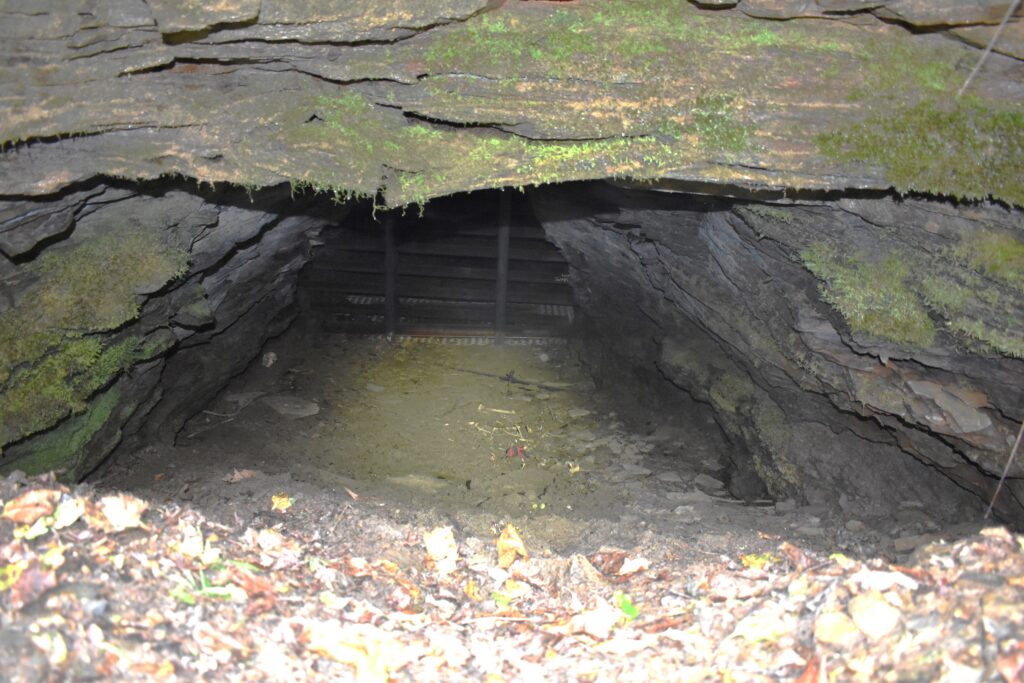
- Threatened and endangered species surveys and bat mitigation (hibernacula gate and conservation easements)
- Agricultural lands
- Project 70 recreational fund parklands
- Hazardous waste investigations by subconsultants
- Noise analysis, modeling, and reporting
- Air quality analysis
As a result of continued funding challenges, the PA Turnpike decided to only advance the southern portion of the project from its southern terminus at PA Route 51 to a new interchange at PA Route 837 in Dusquesne. McCormick Taylor prepared a Logical Termini and Independent Utility Analyses that was accepted by FHWA.
Results
The PA Route 51 to I-376 FEIS Reevaluation was approved by FHWA in March 2019, confirming that there were no new significant impacts to the project and acknowledged that the southern portion of the project was to be advanced at that time.
The southern section contains seven construction sections, the first of which began construction in 2023. Since that time, two additional sections are now in construction. McCormick Taylor has provided the environmental services leading up to construction, including permitting, stream relocation design, and Section 7 formal conferencing with the U.S. Fish and Wildlife Service, and preparing a second reevaluation for each section prior to construction.