Route 7, Kearny Drainage Improvements
This project represents a vital investment by NJDOT and USDOT in climate adaptation and infrastructure resilience, ensuring that this flood-prone roadway remains safe, functional, and sustainable for decades to come.
The Challenge:
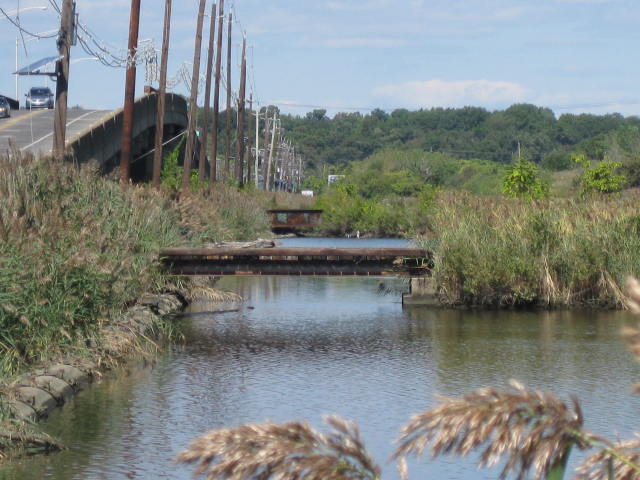
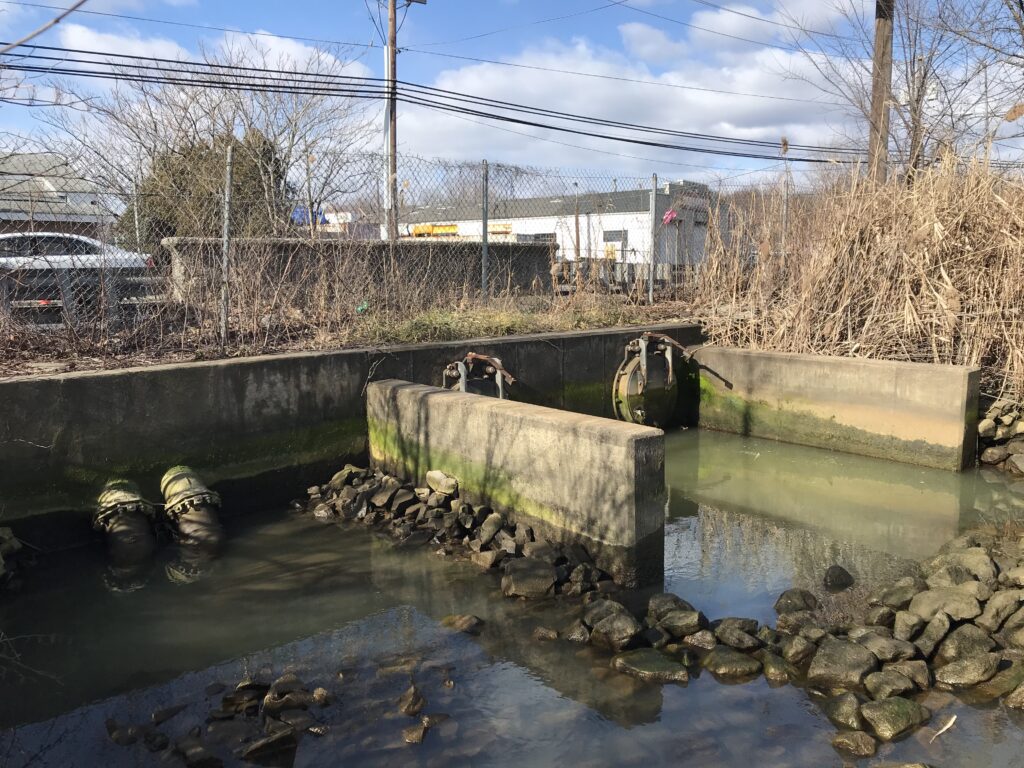
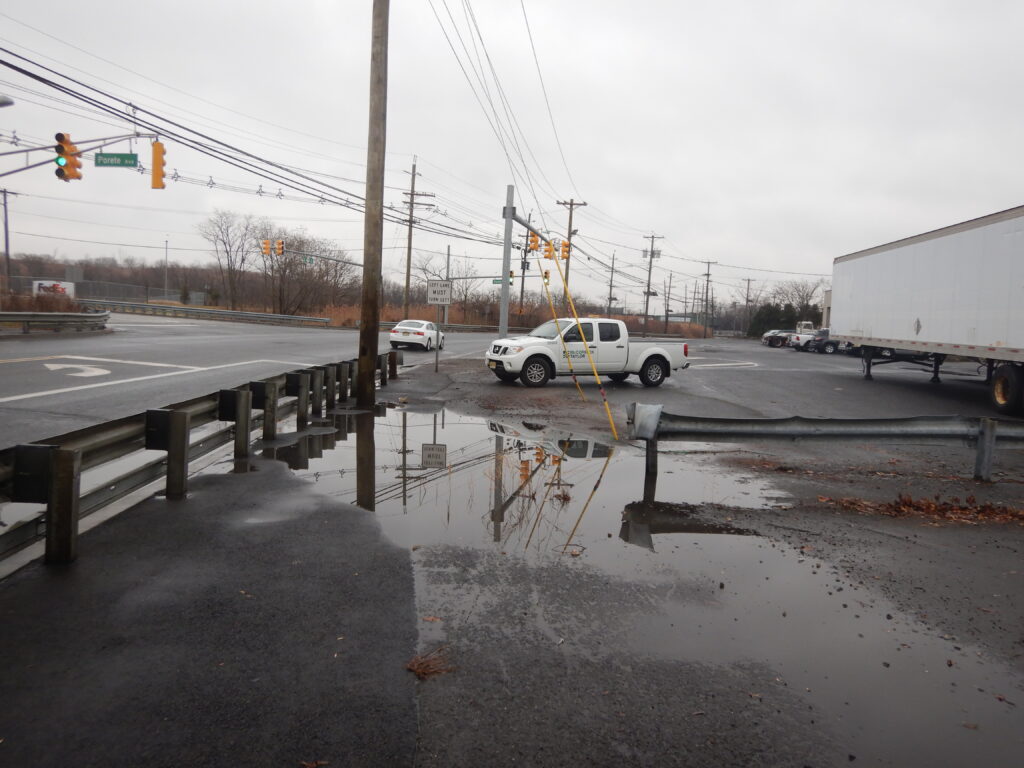
This segment of Route 7 is a key north-south transportation corridor in northern New Jersey situated within the ecologically sensitive Hackensack Meadowlands. Frequent flooding, especially during high tides and storm events, has led to road closures, pavement damage, and safety concerns. Past events like Hurricane Irene (2011) and Superstorm Sandy (2012) have severely impacted the corridor, highlighting the need for resilient infrastructure.
The existing drainage system is outdated and inadequate for current storm standards, with many facilities undersized or missing entirely. Low points are especially prone to flooding. The corridor is bordered by tidal marshland, protected ecosystems, and poorly draining soils such as Westbrook Mucky Peat, complicating construction and requiring environmentally responsible design solutions.
How We Helped:
To address the challenges of this complex infrastructure project and building off of previous studies for Route 7, McCormick Taylor designed and implemented a comprehensive engineering approach that integrates roadway elevation, enhanced stormwater management, utility and structural improvements, and advanced systems for lighting, signaling, and Intelligent Transportation Systems (ITS). The goal is not only to improve resilience against tidal and storm-related flooding but also to deliver long-term functionality and environmental sensitivity across all components.
Roadway Elevation
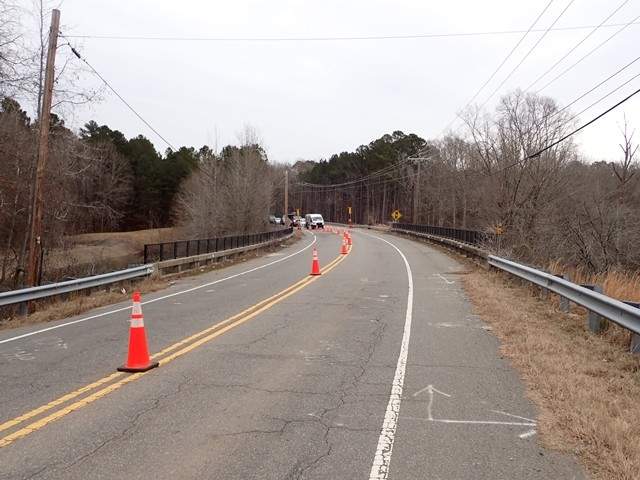
At the heart of the project lies the major transformation of the roadway profile. In areas where vertical clearance permits, the roadway will be elevated by up to 3.5 feet. This design places the road above the 10-year tidal storm surge elevation of 6.5 feet, significantly decreasing the frequency and severity of flood-related road closures. This strategic elevation enhances safety, improves reliability, and ensures continued accessibility during storm events.
Drainage Improvements
To effectively manage stormwater, McCormick Taylor implemented nine new storm drainage systems throughout the corridor. Three of the nine systems are connected to newly designed pump stations and will remove water in locations where gravity flow is not feasible. The remaining six systems will direct water to the nearby marshland, utilizing natural discharge points to minimize flooding risk.
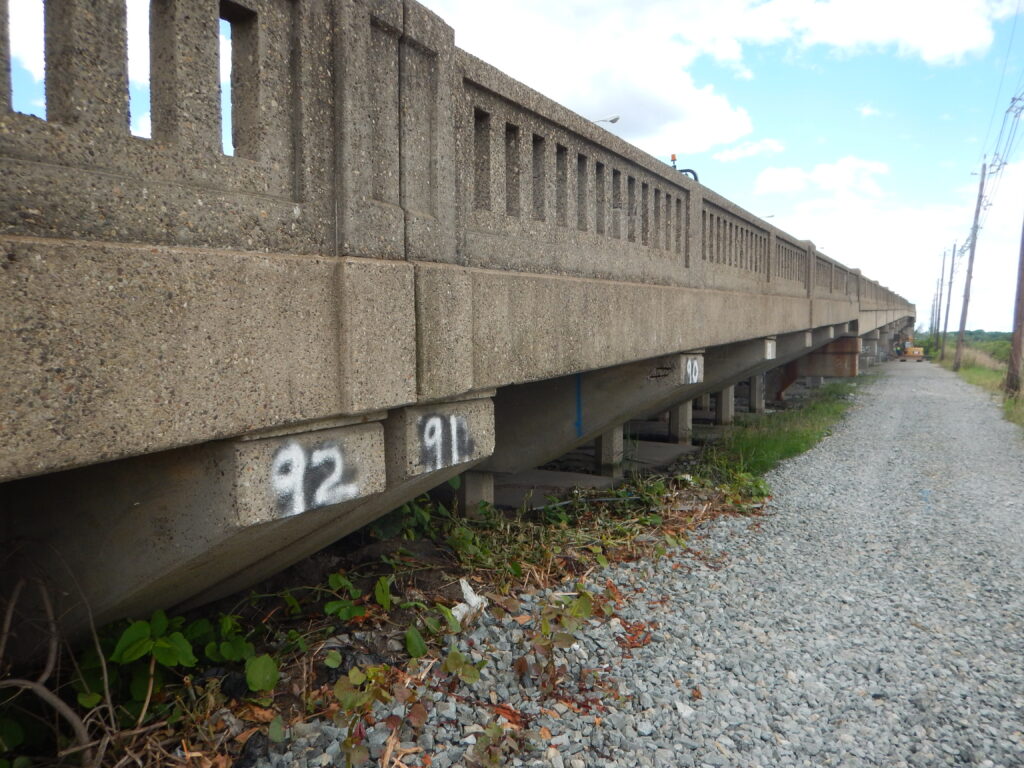
In addition to the new infrastructure, three existing drainage systems will be reconstructed. This includes replacing an outfall pipe to improve overall system capacity and reliability. The placement of the three pump stations is carefully considered, with locations near low points and critical underpasses, such as beneath the Route 7 Bridge over Conrail, chosen to maximize stormwater removal during extreme weather events like hurricanes.
Flood Mitigation Measures
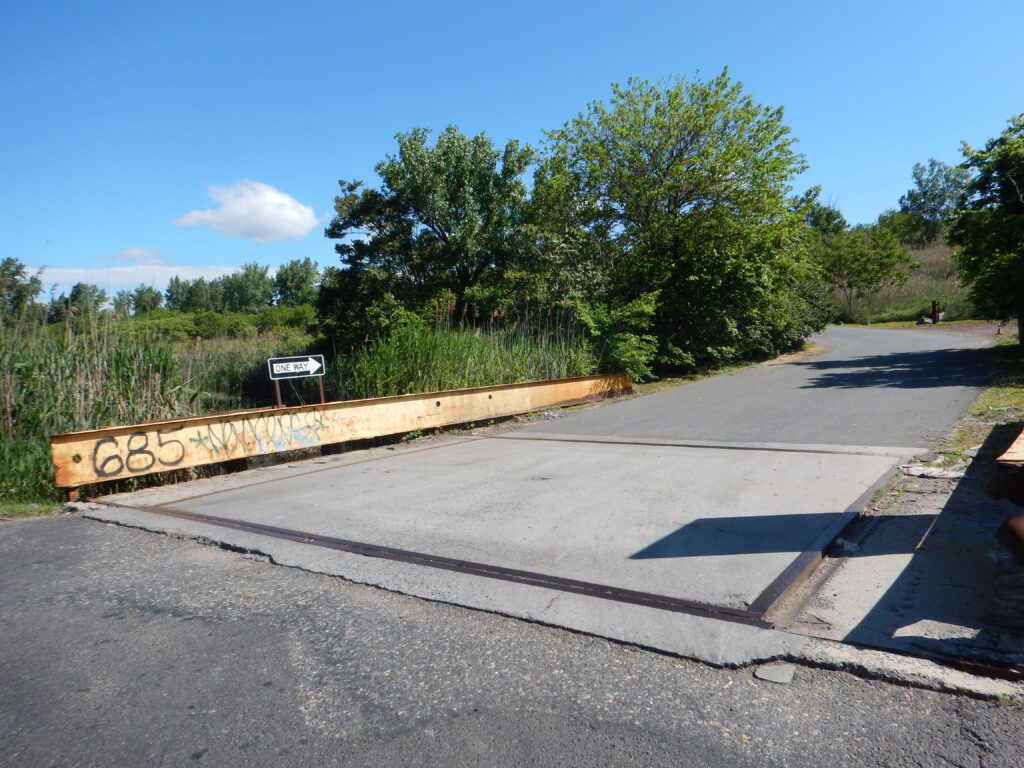
Due to proximity to existing structures and surrounding business, the elevation of the roadway was limited to 6.5 feet, which resulted in the need for additional flood mitigation strategies to be employed. Concrete barrier curbs and earth berms were incorporated into the design to serve as protective boundaries to reduce tidal overtopping from adjacent marshes. These elements were designed to work in tandem with the new drainage systems, effectively acting as flood walls in low-lying areas. Any stormwater that reaches the roadway in these areas would then be removed by one of the three pump stations.
In more constrained zones, such as driveways where steel sheet piling is not feasible, passive measures were implemented. These include careful grading and fill placement to redirect and contain tidal surges, adding another layer of protection for both infrastructure and nearby properties.
Environmental & Regulatory Coordination
This project spans three HUC-14 watersheds; however, due to the interconnected nature of the tidal marshlands, the area is treated as a single watershed for design and permitting purposes. The planning and preliminary engineering phases were completed before the adoption of current Green Infrastructure (GI) standards. Despite this exemption, the design remains sensitive to its environmental context. Efforts have been made to minimize encroachment into marshland, and where feasible, sustainable drainage practices have been integrated to balance functionality with ecological stewardship.
Results:
The Route 7, Kearny, Drainage Improvements Project provides a comprehensive, long-term solution to persistent flooding issues along this key transportation corridor. This complex project has an estimated $98 million construction cost and should conclude in 2028. Upon completion, the project will deliver benefits including flood resilience, improved safety and mobility, stormwater compliance, and environmental enhancements.
The elevated roadway and flood mitigation measures will prevent overtopping during a 10-year tidal storm event and minimize flooding during 25-year storm events at mean high tide. Frequent roadway closures and detours caused by flooding will be significantly reduced, enhancing safety for motorists and reliability for freight and local travel. The new and upgraded drainage systems will meet NJDOT’s stormwater spread criteria for a 10-year storm event, improving the overall hydrologic performance of the corridor. The Hackensack Meadowlands will experience minimal disturbance through careful design of stormwater discharge systems and protective structures.